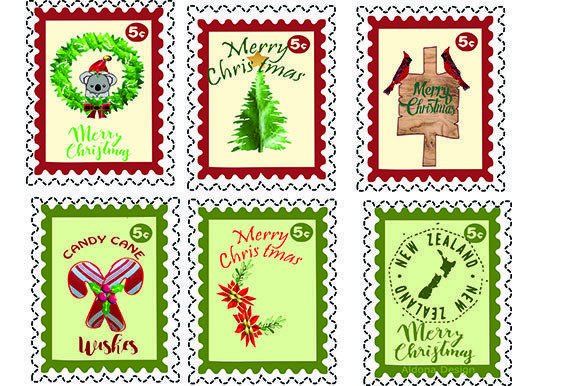
Evaluating 6 Christmas Stamps for Your Embroidery Projects
When a new embroidery design lands in my inbox, my first question is always: how will it translate from screen to stitches? I look at it not just as a graphic, but as a blueprint for a finished product. Today, I’m considering the set called 6 Christmas Stamps from the perspective of a designer who needs reliable, beautiful files for real client work and my own small shop merchandise.
A First Impression: Simple, Pretty, and Full of Potential
Opening the file, the mood is immediately clear. This set leans into a classic, clean holiday feel. The "stamp" style implies a hand-crafted, personalized touch, which is perfect for the handmade market. The shapes are straightforward with a friendly simplicity—no overly intricate details that might vanish in translation to thread. As an embroidery designer, I appreciate this. It tells me these designs are built for clarity, not complexity. They have a visual personality that feels warm and approachable, ideal for personalized gifts and holiday embroidery.
My mind starts mapping them to projects. A single stamp motif would be perfect for the corner of a crisp pillow cover or the center of a kitchen towel. Grouped together, they could create a charming border for a baby blanket or a decorative cluster on a tote bag. The simplicity suggests they’d work beautifully across sizes, from a small accent on a cap to a larger statement on a sweatshirt.
Performance in Real-World Embroidery Situations
Let’s walk through a scenario. I’m preparing a custom embroidered tote bag as a holiday product for my Etsy shop. I choose one of the stamp designs—perhaps the tree or the bell. Because the design is simple, I anticipate clean satin stitch borders and manageable fill stitch areas. The lack of tiny lettering or dense, minuscule corners is a relief; it means less risk of thread bunching or design distortion on the bag’s canvas texture.
For custom apparel like sweatshirts or t-shirts, the straightforward shapes should handle the stretch of the fabric well with proper stabilizer. On baby clothes, where delicate fabrics are common, the open, pretty forms would stitch out without overwhelming the garment. As a craft business owner, I also think about embroidered patches. These stamps, with their defined edges, are natural candidates for patch creation, appealing to customers looking for a retro, homemade badge feel.
In terms of value, stitching a clear, recognizable design like this boosts customer trust. It looks professional and intentional. When a buyer sees a crisp, pretty holiday motif on a product, it reinforces the handmade presentation as high-quality. For small shop product lines, this consistency across items—say, using the same stamp set on aprons, tea towels, and pillow covers—builds strong brand consistency. The designs are inherently giftable; they evoke a specific, cheerful holiday recognition that people love to give and receive.
Where to Use with Careful Consideration
Even with simple designs, practical judgment is key. While 6 Christmas Stamps seems forgiving, there are always situations to approach thoughtfully. On very small hoop sizes, some of the internal details, if any exist, might need review to ensure they remain distinct. I’d be cautious with very textured fabrics like deep-weave blankets, as simple shapes can sometimes lose definition if the texture fights the stitches.
Dark fabric is a classic consideration. These pretty, light-themed stamps would likely pop beautifully on dark backgrounds, but that depends entirely on thread color contrast. This is not a fault of the design, but a reminder to the embroiderer: always plan your palette. On curved surfaces like caps, the design’s layout needs to fit the curve. A single, central stamp would be ideal; a grouped arrangement might need adjustment. For products needing frequent washing, like kitchen linens, the simplicity again is an advantage—less dense stitching can often withstand wear better.
Practical Notes for the Working Designer
Before I ever load a design for a client project, I follow my own routine. With this set, my notes would look like this:
- Test on scrap fabric first. Use the same material as your final product. See how the shapes translate.
- Check thread color contrast. Run a test in both light and dark fabric backgrounds. A transparent PNG background is excellent for creating printable mockups, but thread choice is real-world.
- Review stitch density in the actual embroidery file. The product description mentions the source files, so as a user, I must check the provided embroidery file parameters myself.
- Confirm hoop size compatibility for my machine and project intent.
- Inspect small details in the stitched test. Are any corners too sharp for clean turns? Are any areas too small for a clean fill?
- Consider the design’s use for both personal and commercial projects. The description notes this as clipart, so I would confirm licensing before selling any finished items or digital products derived from it.
- For digital product sellers creating design assets or printable mockups, the high-resolution PNGs with transparent backgrounds are a direct benefit. But for machine embroidery, the core value lies in the quality of the converted or provided embroidery file.
The Final Stitch: A Set Built for Versatile Holiday Crafting
In my evaluation, 6 Christmas Stamps presents itself as a fundamentally sound set for a wide range of holiday projects. Its strength is in its uncluttered, pretty aesthetic that aligns perfectly with the expectations of the handmade market. It doesn’t try to be everything; it aims to be a clear, usable component. For the embroidery project aimed at creating joyful, professional-looking finished products, this set is a reliable candidate. It invites the designer to focus on execution—fabrics, threads, placement—rather than wrestling with an overly complicated design file. That, in the busy world of a creative entrepreneur, is often the best kind of design to have in your toolkit.