A Designer's Practical Review of the Christmas Dog, Cute Yorkshire Puppy Embroidery Design
As an embroidery designer who works with clients and runs a small handmade shop, my first question about any new embroidery file isn’t just whether it’s cute—it’s whether it’s practical. Will it stitch well? Will it look good on a finished product? Will it feel special to a customer? Let’s talk about the Christmas Dog, Cute Yorkshire Puppy from that exact, real-world angle.
The First Impression: Sweetness Without Sacrificing Clarity
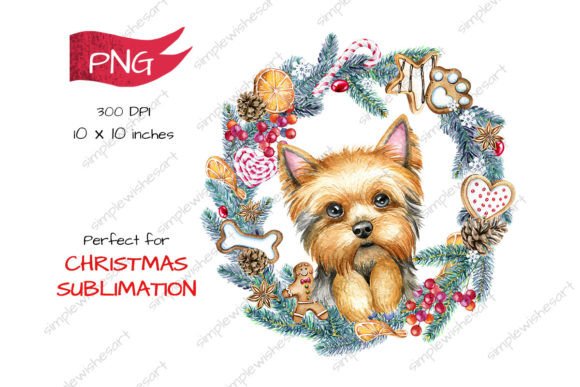
Opening this design, the mood is instantly festive and gentle. It’s not a loud, cartoonish holiday graphic; it’s a charming, illustrative puppy with a quiet Christmas theme. The layout feels balanced, and the detail level in the preview suggests it’s crafted for clarity, not overwhelming density. This is a visual personality that fits personalized gifts and boutique product lines perfectly—it evokes warmth and nostalgia.
Immediately, I picture it on a crisp white tea towel in a kitchen, or as a small, delicate feature on a baby’s sweater. It belongs to projects where the embroidery is a decorative accent, not the entire focus. Its illustrative nature, falling under the Graphics and Illustrations category, means it’s likely built with clean lines and defined areas, which is a good sign for stitch translation.
Where This Design Shines in Real Projects
Let’s walk through a real scenario. Imagine you’re preparing a custom order for a client who wants an embroidered tote bag as a Christmas gift for a dog lover. You choose a natural canvas fabric. The Christmas Dog, Cute Yorkshire Puppy design, at a moderate size, would sit beautifully on the front panel. Its cute, focused theme creates a high perceived value—it feels handmade and thoughtful, not generic.
This design has a natural home on a wide range of items. On a sweatshirt or t-shirt, it becomes a conversation-starting graphic. As a standalone embroidered patch, it could be applied to a cap or backpack. For small business merchandise like aprons or pillow covers, it adds a holiday touch without being seasonal-only. In baby embroidery—on blankets or nursery decor—it’s sweet and safe. For Etsy sellers and craft fair products, it’s a design that photographs well in listings and printable mockups, engaging buyers quickly.
Considering the Commercial Craft Business Angle
If you’re using this for commercial embroidery projects or selling finished items, this design’s appeal is its giftability and recognition. A customer seeing this on a holiday gift like a kitchen towel or a wedding gift for a new pet owner would likely react with a smile—it’s specific and personal. That reaction builds customer trust and reinforces your brand’s consistency if you specialize in pet-themed or holiday-themed handmade products.
Where You Need to Use Careful Judgment
No design is universally perfect, and practical use requires constraints. Given its likely illustrative detail, I would be cautious on very small hoop sizes. Tiny versions might lose the clarity of the puppy’s features. On textured fabrics like some sweaters, or stretchy fabric like certain t-shirts, you’d need excellent stabilizer to keep the shapes crisp.
Dark fabric backgrounds present a classic challenge. The product description rightly notes that colors may differ due to various factors. This is crucial here. The design’s charm relies on its color palette. On a black sweatshirt, you’d need to carefully check thread color contrast—some intended light tones might not pop as expected. Always test on scrap fabric first.
For items with curved surfaces like caps, consider the design’s layout; a central, balanced motif like this one often works well, but inspect any potential detailed corners that might get lost on the curve. Also, for products destined for frequent washing like apparel or towels, a well-digitized design with sensible stitch density is key to longevity. Without knowing the exact file specs, testing its durability on a sample is non-negotiable.
Practical Notes for the Embroidery Designer
Before you run this machine embroidery design for a client project, here’s my standard checklist based on experience:
- Test, test, test. Run it on your chosen fabric type with your standard stabilizer. Look for any potential issues in stitch density or tiny details.
- Check the color separation. Compare how the preview colors look versus your actual thread colors. This helps avoid surprises, especially on light and dark backgrounds.
- Consider doing a black and white mockup to see if the shape and composition hold up without color, which speaks to its fundamental design strength.
- Confirm the hoop size you plan to use is appropriate for the detail level. Don’t force it into a too-small space.
- Review licensing. The product description doesn’t specify terms. It is imperative to confirm licensing before selling finished items or digital products. Know whether it’s for personal use, commercial use, or requires additional permission.
- For digital product sellers using it in mockups, ensure your use aligns with any licensing restrictions.
The Final Stitch: A Design That Adds Value
The Christmas Dog, Cute Yorkshire Puppy embroidery design, when approached with this practical mindset, stands out as a design asset with strong application potential. It elevates visual appeal through its charming theme, and when stitched well, it enhances stitching clarity and the overall handmade presentation of your work. It can increase product value for your craft business by being distinctly appealing and fitting a clear niche.
Its success hinges on your skill and preparation as the maker. By treating it not just as a graphic, but as a component of a real, physical finished product, you transform it from a digital file into a piece of embroidery that tells a story—of Christmas, of a beloved pet, and of careful, quality craftsmanship. That’s the kind of project that truly resonates.